NorCal Heavy Rain: Navigating a Parade of Storms and Atmospheric Rivers
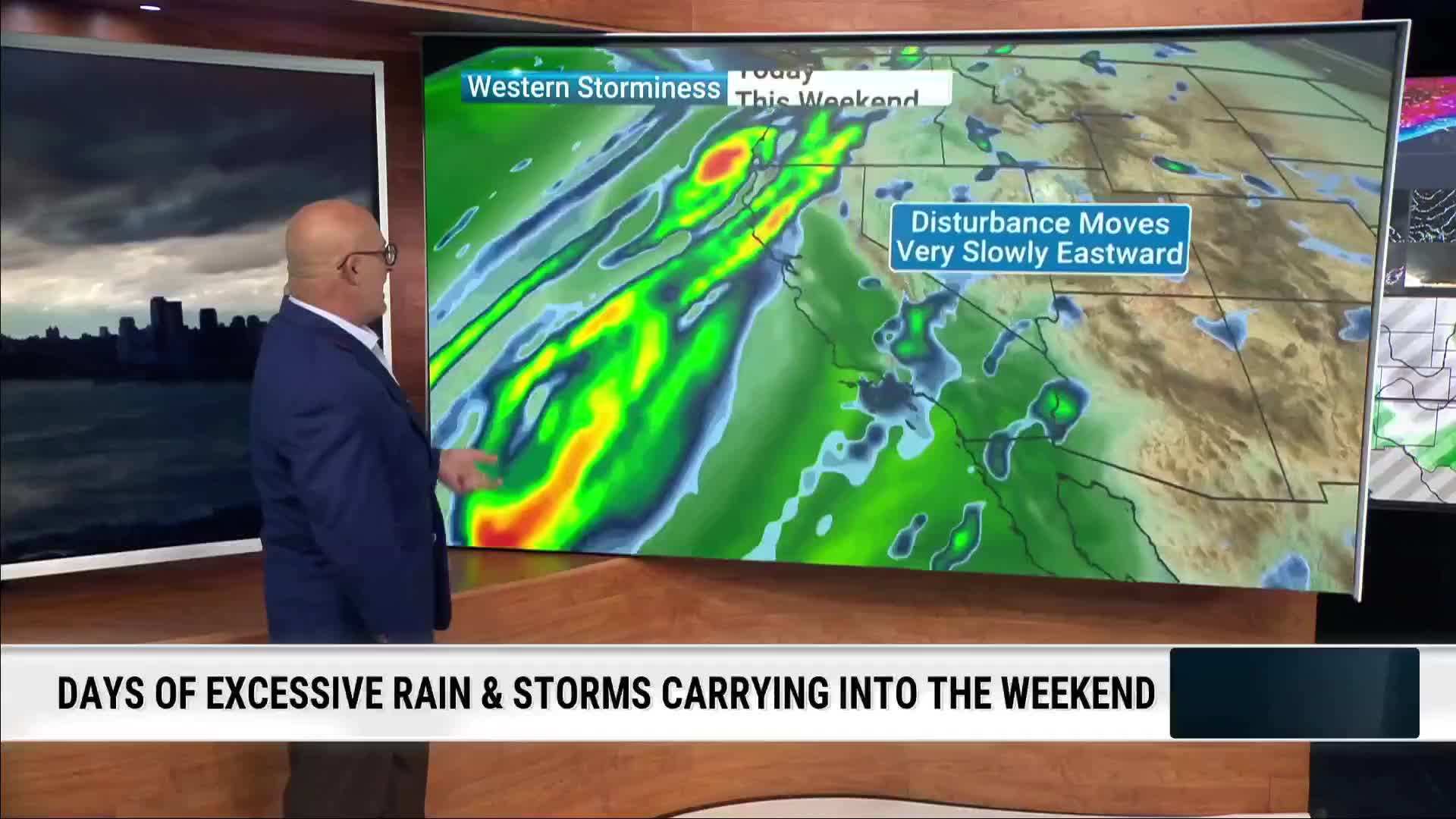
Northern California is bracing for, and already experiencing, a significant meteorological event – a veritable "parade of storms" poised to douse the region with a substantial amount of norcal heavy rain. This series of intense weather systems, including powerful atmospheric rivers and moisture from tropical remnants, promises widespread impacts, from urban street flooding to hazardous mountain conditions. Residents across 11 counties are urged to remain vigilant as the National Weather Service issues flood watches and warnings, highlighting the potential for disruptive and dangerous conditions. This isn't just a typical rainy week; it's a multi-faceted weather assault that demands preparedness and an understanding of the forces at play.
Unpacking the "Parade of Storms": Atmospheric Rivers and Tropical Influence
The current deluge affecting Northern California is a complex tapestry woven from several distinct, yet converging, weather phenomena. At its core are multiple
atmospheric river systems – long, narrow bands of moisture in the atmosphere that transport vast quantities of water vapor, often likened to "rivers in the sky." These systems are notorious for their ability to deliver intense, sustained precipitation, especially when they make landfall.
The initial wave brought lighter showers, acting as a precursor to the more formidable systems. However, the true impact begins with a stronger second atmospheric river, expected to unleash moderate to heavy rain across much of NorCal. Forecasts from the San Francisco Bay Area NWS office indicate that the North Bay could see between 3 and 6 inches of rain, with higher terrain potentially receiving 6 to 8 inches. The broader Bay Area is anticipated to get 2 to 4 inches. Beyond the immediate coastal and bay regions, significant snow is expected to accumulate in the Sierra Nevada, crucial for the state's water supply but also posing its own set of hazards for mountain communities and travelers.
Adding another layer to this complex weather pattern is the lingering influence of tropical moisture. Remnants of Tropical Storm Mario are pushing into the region, elevating humidity levels and contributing to a higher chance of thunderstorms across Northern California and into parts of the Central Valley. Cities like Sacramento, Modesto, Merced, and Fresno could experience rain accompanied by thunder, creating sticky, muggy conditions less typical for this time of year. While the tropical system weakens as it moves inland, its moisture content significantly amplifies the risk of widespread precipitation, making this a truly unique and potent combination of weather drivers.
Navigating the Hazards: Flooding, Winds, and Power Outages
The primary concerns stemming from this prolonged period of norcal heavy rain are multi-faceted and demand immediate attention from residents. Foremost among these is the significant risk of
flooding. With several inches of rain expected in a relatively short period, creeks and streams are highly susceptible to overflowing their banks. Areas historically prone to flooding, particularly in urban environments, face an elevated risk. San Francisco, for instance, has been specifically highlighted for potential flooding concerns due to the forecasted intensity of rainfall. The ground, already saturated from previous weekend rains, has a reduced capacity to absorb additional moisture, exacerbating runoff and increasing the likelihood of standing water on roadways and property.
Beyond the inundation, strong winds are another critical component of these storms. Gusty conditions are expected to persist, presenting a dual threat. Firstly, these winds can directly cause damage, tearing at structures and turning unsecured outdoor items into projectiles. Secondly, and perhaps more insidiously, when strong winds combine with soils already heavily moistened by rainfall, the risk of
downed trees increases dramatically. Tree roots, losing their firm grip in the soggy earth, become vulnerable to tipping over, posing severe dangers to homes, vehicles, and pedestrians. This combination of wind and saturated ground is a major contributor to power outages, as falling trees often bring down utility lines.
The cascading effects extend to transportation and daily life. Road hazards will be abundant, from slick roadways reducing traction to standing water obscuring lanes and creating dangerous driving conditions. Commuters are advised to plan for extra time, reduce speeds, and exercise extreme caution. Power outages, whether from wind-induced tree falls or other storm-related infrastructure damage, are a strong possibility. Residents should prepare for potential disruptions to electricity, internet, and even mobile phone service. For more detailed updates on localized impacts, you might find
norcal heavy rain - Article 2 particularly useful, offering specific community advisories and recovery information. Additionally, for a deeper dive into the specific weather patterns causing these intense downpours, refer to
norcal heavy rain - Article 3.
Preparing for the Deluge: Essential Tips for NorCal Residents
While the weather systems are already underway, proactive preparation can significantly mitigate risks and enhance safety. The National Weather Service emphasizes that "if you need to prep for the incoming storm, do it now."
Here are essential steps NorCal residents should take:
*
Clear Drains and Gutters: Ensure that all storm drains, gutters, and downspouts around your property are clear of leaves, debris, and any obstructions. This allows water to flow freely and reduces the risk of localized flooding around your home.
*
Secure Outdoor Items: Bring indoors or securely fasten any loose items in your yard, on balconies, or patios – this includes patio furniture, trash cans, children's toys, and gardening tools. Strong winds can turn these into dangerous projectiles.
*
Inspect Trees: If safe to do so, inspect trees on your property for weakened or dead branches that could easily break off in high winds. If you have concerns, consult with an arborist *before* the storm hits.
*
Prepare an Emergency Kit: Assemble a kit that includes flashlights, extra batteries, a NOAA weather radio, a first-aid kit, enough non-perishable food and water for at least 72 hours, blankets, and any necessary medications.
*
Charge Devices: Ensure all mobile phones, laptops, and portable power banks are fully charged in anticipation of potential power outages.
*
Sandbags for Flood-Prone Areas: If your property is known to be susceptible to flooding, consider placing sandbags around entryways or vulnerable areas. Check with your local fire department or city services for sandbag distribution points.
*
Stay Informed: Regularly monitor local weather forecasts, emergency alerts, and advisories from the National Weather Service. Local news outlets are also excellent sources of up-to-the-minute information.
*
Avoid Driving on Flooded Roads: The most critical advice during heavy rain is to "Turn Around Don't Drown." Just six inches of fast-moving water can knock an adult down, and 12 inches can sweep a car away. Do not attempt to drive through flooded roadways.
*
Have a Communication Plan: Discuss with family members how you will contact each other if communications are disrupted, and identify a meeting point if you need to evacuate.
Beyond the Immediate Impact: Long-term Outlook and Climate Context
While the immediate focus is on navigating the current severe weather, it's also important to consider the broader context and what lies ahead. After the second powerful atmospheric river, a third, generally weaker system is predicted to arrive later in the week, likely Thursday and Friday. This final wave is expected to be pointed farther south and should bring less intense precipitation, offering some respite from the relentless downpour. Following these storms, temperatures are expected to drop significantly, especially during morning hours, ushering in colder conditions as the weekend approaches.
The current "parade of storms" offers a stark reminder of California's volatile weather patterns, swinging dramatically between drought and deluge. Experts have noted that while La Niña, a climate pattern known for influencing weather worldwide, is currently active, it isn't predicted to last long this year. This highlights the complex interplay of global climate drivers that can influence regional weather. The intensity and frequency of atmospheric river events, for example, are subjects of ongoing scientific research, particularly in the context of a changing climate. Understanding these patterns is crucial for long-term water management, flood control, and disaster preparedness strategies across the Golden State.
The impacts of this week's storms also resonate with broader ecological concerns. While the rain is beneficial for bone-dry regions and can help replenish reservoirs, the sheer volume in a short period can be detrimental to fire-scarred areas, increasing the risk of mudslides and debris flows – a critical concern, even if the current focus is NorCal, Southern California's fire-prone landscapes often experience similar issues with heavy rain. The resilience of NorCal's infrastructure and natural environment will be tested, but with informed action and community cooperation, the region can navigate this challenging weather event.
Conclusion
The current onslaught of norcal heavy rain, driven by potent atmospheric rivers and tropical moisture, represents a significant challenge for Northern California. From the Bay Area to the Central Valley and up to the Sierra Nevada, millions are under flood watches, preparing for strong winds, potential power outages, and hazardous driving conditions. While the immediate focus remains on safety and preparedness through this multi-storm event, the resilience of communities and the effectiveness of proactive measures will be key. As the systems gradually dissipate and colder temperatures settle in, the full scope of the impact will become clear, underscoring the dynamic nature of California's climate and the ongoing need for vigilance and adaptation.