NorCal Braces for a Deluge: Understanding the Impact of Heavy Rain and Storms
Northern California is once again at the forefront of significant weather activity, with a formidable "parade of storms" set to douse the region with norcal heavy rain, strong winds, and the potential for widespread disruption. This multi-system event, driven by powerful atmospheric rivers and even remnants of tropical activity, promises to test the resilience of communities from the Bay Area up to the state's northern reaches and into the Central Valley. For millions across at least 11 counties, the upcoming days demand heightened awareness and meticulous preparation as flood watches come into effect.
While light showers have already begun to moisten parts of the state, these are merely precursors to more intense downpours. The combination of saturated soils, gusting winds, and substantial rainfall totals raises critical concerns ranging from flash flooding to power outages and hazardous driving conditions. Understanding the nature of these storms and taking proactive steps can make all the difference in navigating the challenging week ahead.
The Anatomy of the Storm: Atmospheric Rivers and Tropical Remnants
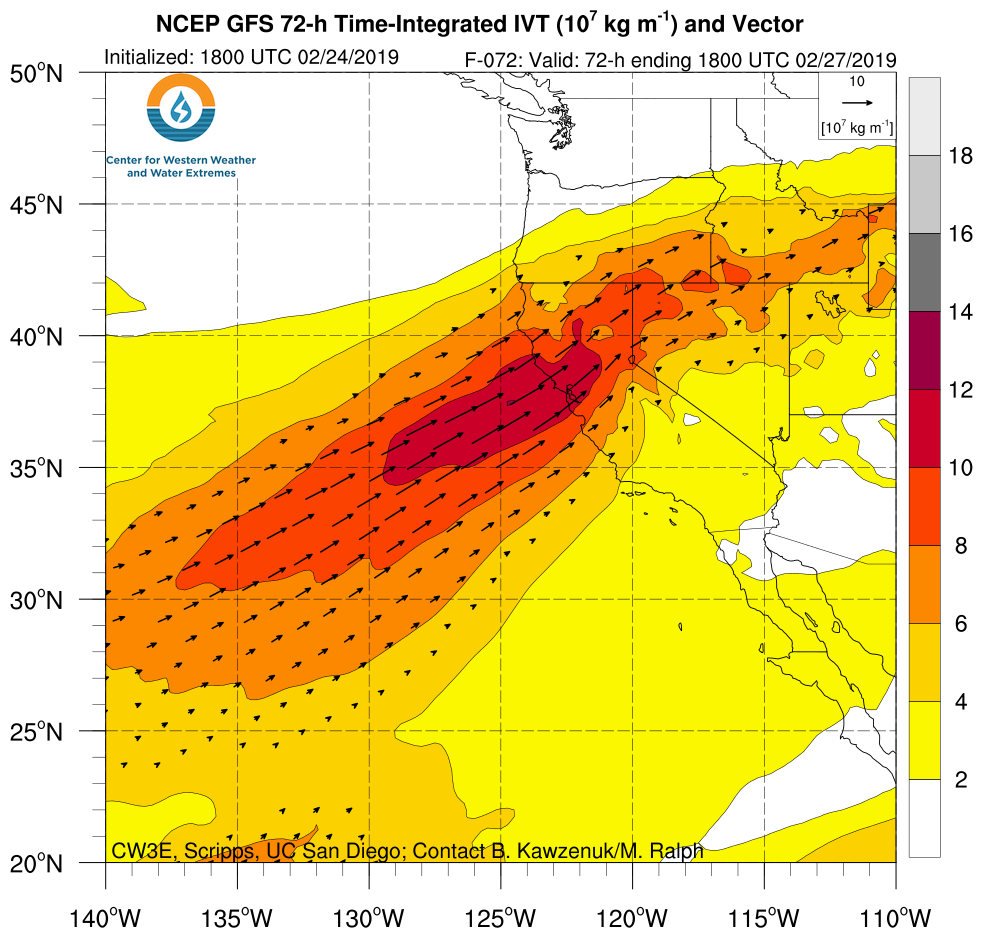
The current weather pattern bringing norcal heavy rain is primarily fueled by a series of atmospheric rivers – long, narrow bands of moisture that transport water vapor from the tropics across the Pacific. While the first system delivered moderate rainfall, a second, more potent atmospheric river is poised to strike with considerable force. This system is expected to deliver moderate to heavy rain across much of Northern California, including significant snow in the Sierra Nevada, before gradually weakening and shifting its focus southward.
Adding another layer of complexity to this already active forecast are the remnants of Tropical Storm Mario. Although tropical systems typically weaken considerably over land, Mario’s moisture plume is pushing northward, contributing to increased humidity and the potential for thunderstorms in regions like Sacramento, Modesto, Merced, and Fresno. This unique combination of an atmospheric river and tropical moisture creates an environment ripe for intense, localized downpours and potentially unexpected weather phenomena. These storms are not isolated incidents; they are part of a broader pattern that keeps forecasters and residents alike on high alert, as explored in more detail in norcal heavy rain - Article 1.
Expected Rainfall Totals and Geographic Impact
The National Weather Service (NWS) has issued a Flood Watch for vast swathes of the Bay Area and Central Coast, effective for an extended period. Forecasters anticipate substantial rainfall totals through the midweek:
- North Bay: Could see anywhere between 3 to 6 inches of rain.
- Higher Terrain Areas: These vulnerable regions might experience significantly more, with 6 to 8 inches possible.
- General Bay Area: Most of the Bay Area is projected to receive 2 to 4 inches of rain.
- Sierra Nevada: Heavy snow is expected, which while beneficial for drought relief, can also contribute to dangerous travel conditions at higher elevations.
The NWS San Francisco Bay Area office highlights that even though parts of the Bay Area saw rain over the past weekend, the upcoming downpours are expected to be much heavier, escalating flooding concerns, particularly for San Francisco and other low-lying areas. The confluence of these weather events, including the remnants of Tropical Storm Mario, means that even regions like Sacramento and parts of the Central Valley could experience thunderstorms and elevated humidity, creating "sticky, muggy conditions" alongside the rain. This expansive reach underscores the critical need for regional preparedness.
Key Concerns and Potential Hazards
The imminent arrival of norcal heavy rain brings with it a spectrum of serious concerns for both property and personal safety. Forecasters have clearly outlined the primary risks:
- Flooding: The most immediate concern is the flooding of creeks and streams. With ground already moist, the capacity for absorption is reduced, leading to rapid runoff and potential overflow. Areas prone to localized flooding should be particularly vigilant.
- Downed Trees: The combination of strong winds and saturated soils creates a perilous environment for trees. Waterlogged ground can loosen root systems, making even healthy trees susceptible to toppling. This poses a significant risk to power lines, homes, and roadways.
- Power Outages: High winds, especially when combined with falling trees or branches, are a leading cause of power outages. Residents should be prepared for potential disruptions to electricity services, which can last for extended periods.
- Road Hazards: Slick roadways, reduced visibility from heavy rain, and the risk of downed trees or debris can make driving extremely dangerous. Commutes are expected to be longer and more challenging, requiring extra caution.
- Debris Flow: While the immediate focus is NorCal, the broader context of California's landscape includes fire-scarred areas. Although not explicitly highlighted for NorCal in the immediate context, any heavy rain in such regions (or even areas with significant burn scars from older fires) carries an increased risk of mudslides and debris flows.
The NWS specifically warns, "Our biggest concerns are flooding of creeks and streams and an increased risk for downed trees due to the combination of wind and moist soils." This dual threat requires a comprehensive approach to safety and preparedness.
Preparing for the Storm: Essential Tips for NorCal Residents
Given the forecast for norcal heavy rain and strong winds, proactive preparation is paramount. The time to prepare is *now*, before the heaviest rainfall arrives. Here are crucial steps residents should take:
- Clear Gutters and Drains: Ensure all gutters, downspouts, and storm drainages around your property are free of leaves, debris, and blockages. This allows water to flow freely and prevents localized flooding around your home.
- Secure Outdoor Items: Bring in or tie down any outdoor furniture, decorations, or loose items that could be picked up by strong winds and become projectiles.
- Inspect Trees: Look for weakened branches or trees that appear unhealthy and could pose a risk. While professional removal might not be possible immediately, identifying potential hazards allows for greater awareness.
- Emergency Kit: Prepare an emergency kit with essentials like flashlights, extra batteries, a first-aid kit, non-perishable food, water, a battery-powered or hand-crank radio, and chargers for mobile devices. Don't forget any necessary medications.
- Stay Informed: Continuously monitor local weather forecasts from reliable sources like the National Weather Service (NWS) and local news outlets. Pay close attention to any flood warnings or advisories specific to your area.
- Driving Safety: If you must travel, plan for extra time. Be aware of slick roadways and never drive through standing water. "Turn around, don't drown" is a critical safety mantra. Even shallow water can hide dangerous debris or currents.
- Power Outage Preparedness: Have a plan for potential power outages. Charge all devices, fill vehicle gas tanks, and know how to manually open garage doors if necessary.
- Know Your Evacuation Route: If you live in a flood-prone area, understand your community's evacuation routes and be prepared to take action if officials issue an evacuation order.
For more detailed safety measures and what to do during a storm, you might find valuable information in norcal heavy rain - Article 3.
Looking Ahead: The Weaker Third System and Temperature Shifts
While the immediate focus is on the powerful first two storm systems, a third atmospheric river is anticipated to make its appearance later in the week, likely Thursday and Friday. Fortunately, this system is predicted to be considerably weaker and primarily pointed farther south, offering some respite to NorCal. Following this series of storms, temperatures are expected to take a significant dip, especially during the mornings and heading into the weekend. Forecasters predict temperatures to drop "significantly," making for much colder conditions across the region.
This active weather pattern arrives in a year where experts have indicated that La Niña, a climate pattern known to influence global weather, isn't predicted to last long. This broader meteorological context helps understand the dynamic shifts we're seeing. While these storms bring immediate challenges, they also contribute to replenishing California's parched reservoirs, a critical need after extended periods of drought.
Conclusion
The "parade of storms" bringing norcal heavy rain and strong winds represents a significant weather event for Northern California. With flood watches in effect, the potential for flooding, downed trees, and power outages is high. Residents are urged to take all necessary precautions, stay informed through official channels, and prioritize safety above all else. By understanding the forecast, preparing homes and families, and exercising caution, NorCal communities can effectively navigate the challenges posed by these powerful weather systems.