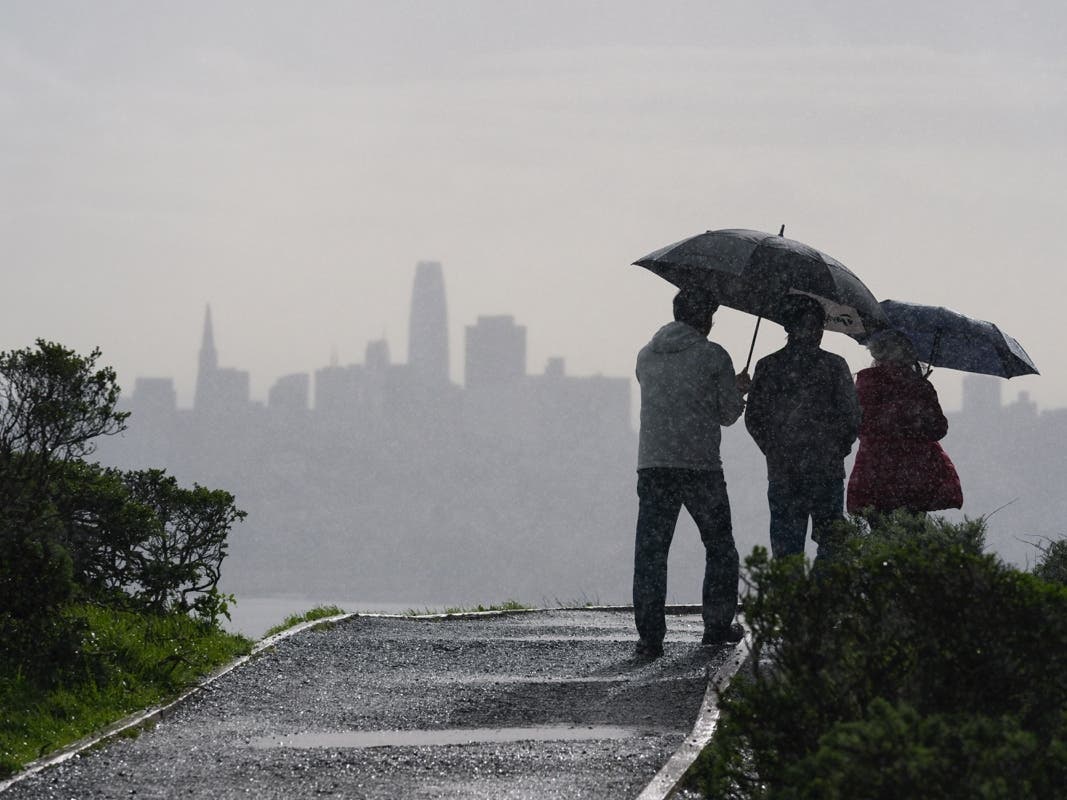
NorCal Braces for a Multi-System Deluge: Understanding the Influx of Heavy Rain
Northern California is once again in the crosshairs of significant weather activity, with a "parade of storms" ushering in a prolonged period of intense rainfall. This isn't just a typical winter shower; residents across the region are preparing for a series of atmospheric river systems, intensified by the remnants of a tropical storm, promising widespread norcal heavy rain, strong winds, and the potential for flooding. From the Bay Area to the Central Valley and up into the Sierra Nevada, millions will feel the impact of these formidable weather patterns, shifting the focus from drought concerns to immediate flood preparedness.
The Golden State, particularly its northern half, is experiencing a dramatic meteorological shift. What began as light showers has rapidly escalated into a comprehensive weather event, prompting flood watches for numerous counties. This article delves into the specifics of these impending storms, outlining their components, expected impacts, and crucial steps Northern Californians can take to ensure safety and minimize disruption.
Dissecting the Storms: Atmospheric Rivers and Tropical Remnants Combine
The current forecast for norcal heavy rain is a complex interplay of several powerful weather phenomena. Primarily, Northern California is being targeted by multiple atmospheric river systems – long, narrow bands in the atmosphere that transport vast amounts of moisture, often compared to "rivers in the sky."
The Atmospheric River Sequence
- The First Wave: A preliminary atmospheric river system initiated light showers across the northern reaches of the state. While not the heaviest, it began the process of saturating soils, a critical factor for subsequent flood risk.
- The Second, Stronger System: This is the main event, set to douse much of Northern California with moderate to heavy rain through midweek. It's the primary driver behind the flood watches and concerns for significant accumulation. Alongside the rain, the Sierra Nevada is expected to receive hefty snowfall, which, while beneficial for water reserves, adds another layer of complexity to the region's weather patterns.
- The Third, Weaker System: Expected later in the week, this system is predicted to be less intense and shift farther south, offering a slight reprieve to the heavily impacted northern areas. However, it will still contribute to overall moisture levels and colder temperatures.
The Influence of Tropical Storm Mario
Adding another layer to this intricate weather pattern are the remnants of Tropical Storm Mario. While the system itself will weaken as it pushes into California, it's expected to deliver significant moisture and elevated humidity across Northern California and parts of the Central Valley, including cities like Sacramento, Modesto, Merced, and Fresno. This tropical infusion contributes to the potential for thunderstorms – a less common occurrence during this time of year in such intensity – creating sticky, muggy conditions and increasing the overall rainfall potential. The combination of these forces amplifies the risk, turning what could be significant rain into a truly formidable deluge.
Anticipated Impacts and Key Concerns Across Northern California
The scale of this event means a wide range of impacts for residents and infrastructure. The National Weather Service has issued a Flood Watch for millions across 11 NorCal counties, covering the Bay Area and the Central Coast.
Rainfall Expectations
- North Bay: Could see between 3 and 6 inches of rain.
- Higher Terrain: Areas in elevated regions might experience 6 to 8 inches of precipitation.
- General Bay Area: Anticipated to receive 2 to 4 inches of rain.
- Sierra Nevada: Significant snowfall is on the forecast, impacting travel and increasing avalanche risk in higher elevations.
Primary Concerns and Hazards
Forecasters have highlighted several critical concerns arising from this period of norcal heavy rain:
- Flooding: The most immediate and pressing concern is the flooding of creeks and streams. With soils already moist from previous rainfall, the ground has less capacity to absorb additional water, leading to quicker runoff and elevated flood risk in low-lying areas and flood-prone communities like San Francisco.
- Downed Trees: The combination of saturated soils, which loosen tree roots, and strong, gusty winds creates a high risk for downed trees. This can lead to power outages, road closures, and property damage.
- Power Outages: Strong winds coupled with the potential for falling branches mean that power outages are a significant possibility across the affected areas.
- Road Hazards and Commute Disruptions: Slick roadways, localized flooding, and potential debris from downed trees or landslides will make travel hazardous. Commuters are advised to plan for extra time and exercise extreme caution.
Essential Preparedness: Navigating the NorCal Heavy Rain Events Safely
Given the severity and multi-day nature of these storms, proactive preparation is not just advisable, it's essential. The time to prepare is now, before the heaviest rains and strongest winds hit.
Before the Storm Hits
- Clear Drainage Systems: Double-check and clear gutters, storm drains, and any other drainage pathways around your home to ensure water can flow freely away from your property.
- Secure Outdoor Items: Bring in or secure any outdoor furniture, decorations, or trash cans that could be blown away by strong winds.
- Inspect Trees and Branches: If you have large trees near your home, especially those with weakened or overhanging branches, consider having them inspected or pruned if safe to do so.
- Prepare an Emergency Kit: Assemble a kit with essentials like non-perishable food, water, flashlights, extra batteries, a first-aid kit, a battery-powered radio, and chargers for mobile devices.
- Charge Devices: Ensure all cell phones, laptops, and other essential devices are fully charged in anticipation of potential power outages.
- Stay Informed: Monitor local weather forecasts from the National Weather Service and local news outlets. Sign up for emergency alerts from your county or city.
During the Storm
- Avoid Floodwaters: Never walk or drive through floodwaters. "Turn around, don't drown" is a critical message, as even shallow moving water can sweep vehicles and people away.
- Limit Travel: If possible, stay home. If you must travel, allow ample extra time, drive slowly, and be aware of your surroundings for unexpected hazards like debris or standing water.
- Beware of Downed Power Lines: Assume any downed power line is live and dangerous. Report it immediately to your utility company and emergency services.
- Have Multiple Ways to Receive Information: In case of power loss, a battery-powered or hand-crank radio can be invaluable for receiving emergency updates.
Beyond the Immediate Storm: A Look at the Week Ahead and Climate Factors
While the immediate focus is on managing the current surge of norcal heavy rain, forecasters are also providing a glimpse into the week's conclusion and broader climate influences. Following the second, stronger atmospheric river and the remnants of Tropical Storm Mario, the third system is expected to bring a final, albeit weaker, push of rain. Temperatures are anticipated to turn noticeably colder, especially during the mornings, with a significant drop expected as the weekend approaches. This will contribute to the heavy snow expected in the Sierra Nevada, a vital component of California's water supply.
In a broader context, experts have noted that the current La Niña phase, which typically influences global weather patterns, isn't predicted to last long this year. While the specifics of how this might influence California's long-term weather outlook are complex, it suggests a dynamic and potentially unpredictable season ahead. For now, the immediate challenge remains the successive waves of storms and the significant precipitation they bring.
The convergence of atmospheric rivers and tropical moisture underscores the dynamic nature of California's weather. As Northern California prepares for this formidable series of storms, vigilance and preparedness are paramount. By understanding the forecast, taking proactive steps, and prioritizing safety, residents can navigate the heavy rain and its associated hazards, ensuring the well-being of themselves and their communities. Stay safe, NorCal.